

Coral Lakes Landscape Services
Sign up now for autumn service and enjoy a vibrant, worry-free yard all season long!
Get a Free QuoteLandscape Services Tailored for Coral Lakes, Florida
Expert Lawn Care for Coral Lakes’ Unique Environment
Coral Lakes, Florida, is known for its lush neighborhoods like Lakeview Estates and the scenic trails of Coral Lakes Park, but its local climate presents distinct challenges for homeowners. The area’s proximity to the coast means lawns can be affected by salt exposure, especially after winter road treatments, which can stress turf and ornamental plants. During the hot summer months, drought conditions often require specialized irrigation strategies to keep grass healthy and green, while mature trees in established communities create shaded lots that demand shade-tolerant turf varieties and careful under-canopy maintenance.
Additionally, the rolling terrain around the Coral Lakes Nature Preserve can lead to soil erosion on sloped properties, making erosion control and proper drainage essential for long-term landscape health. For more information about the city’s parks and community resources, visit the official Coral Lakes website. Our services are designed with these local factors in mind, ensuring your lawn thrives year-round.
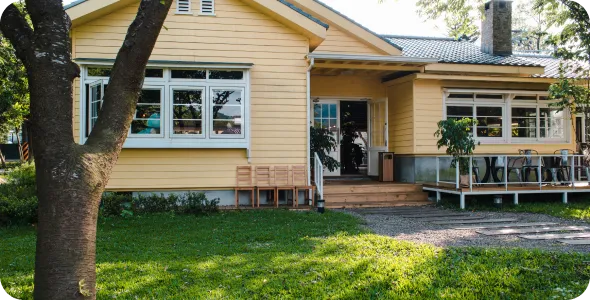
Our Coral Lakes Landscaping & Yard Care Services
Coral Lakes Gardening Services
Coral Lakes Yard Clean Up
Why Choose Coral Lakes Landscape Services

Coral Lakes Homeowners Trust Us
-
Expert Lawn Maintenance
-
Reliable Irrigation Solutions
-
Comprehensive Tree Care
-
Prompt Response Times
-
Competitive Pricing
-
Satisfaction Guarantee
Contact Your Local Coral Lakes DPW or Parks Department for Green Waste Info
Coral Lakes is an unincorporated community within Lee County, Florida, so yard waste collection and green debris disposal are managed at the county level. Lee County provides year-round curbside yard waste pickup for residents, reflecting Southwest Florida's continuous growing season. Key guidelines include:
- Curbside placement: Bundle branches up to 6 feet long and 4 inches in diameter; place loose clippings and leaves in biodegradable paper bags or open containers.
- Volume limits: No more than 6 cubic yards per pickup; schedule a special collection for larger amounts.
- Prohibited practices: Never dispose of lawn waste in storm drains, streets, or household trash—doing so violates stormwater management regulations and degrades water quality in nearby lakes and canals.
- Commercial operators: Landscapers serving Coral Lakes must register with Lee County Solid Waste and pay applicable disposal fees at designated transfer stations.
Composting resources are available through Lee County's waste facilities, where residents can drop off bulk brush and obtain free mulch when available.
Lee County Public Works
P.O. Box 398, Fort Myers, FL 33902
Phone: (239) 533-2111
Official Website: Lee County Public Works
Lee County Parks and Recreation
3410 Palm Beach Blvd, Fort Myers, FL 33916
Phone: (239) 533-7275
Official Website: Lee County Parks and Recreation
Lawn Care Regulations & Permits in Coral Lakes, FL
Florida's statewide fertilizer regulations are among the most comprehensive in the nation. Under the Florida Fertilizer Use Act, all commercial applicators must follow these requirements:
- Blackout period: No nitrogen or phosphorus fertilizer application during the summer rainy season (June 1–September 30) in Lee County.
- Phosphorus restrictions: Phosphorus application is prohibited unless a soil test confirms a deficiency.
- Buffer zones: A mandatory 10-foot no-fertilizer zone must be maintained around all water bodies, with an additional low-maintenance zone extending to 25 feet where only slow-release nitrogen is permitted.
- Nitrogen limits: No more than 2 pounds of nitrogen per 1,000 square feet per year for residential turf, with at least 50% in slow-release form.
Pesticide applicators must hold a valid license through the Florida Department of Agriculture and Consumer Services (FDACS). Lee County enforces outdoor watering restrictions through the South Florida Water Management District, typically limiting irrigation to two days per week based on odd/even addresses, before 10:00 AM or after 4:00 PM. Noise ordinances restrict power equipment operation to 7:00 AM–10:00 PM on weekdays and 8:00 AM–10:00 PM on weekends.
Lee County Zoning
1500 Monroe St, Fort Myers, FL 33901
Phone: (239) 533-8585
Official Website: Lee County Zoning
What Streets and Subdivisions Do We Serve in Coral Lakes, FL?
Coral Lakes is a master-planned community in Cape Coral, Florida, featuring distinct subdivisions and micro-areas, each with unique lawn care considerations:
- Homes along Coral Lakes Drive near the Main Clubhouse — These properties sit on Boca Raton fine sand soils with moderate drainage. St. Augustinegrass dominates, and HOA covenants require maintained turf edges. Lots average 7,000–9,000 square feet with full sun exposure.
- Lakefront properties along Coral Lakes Boulevard — Sandy soils with high water tables demand careful irrigation management. Proximity to community lakes requires strict fertilizer buffer compliance. Floratam St. Augustine thrives here despite occasional chinch bug pressure.
- Homes near the Tennis and Pickleball Courts — Slightly elevated lots with well-drained Immokalee fine sand. Bahiagrass and St. Augustine blends perform well. Mature palm canopy creates partial shade requiring shade-tolerant cultivars like Palmetto St. Augustine.
- Residences along the community's western perimeter near Veterans Memorial Parkway — Road-adjacent lots experience higher dust and traffic stress. Sandy coastal plain soils require frequent organic matter amendment. HOA standards mandate weed-free turf year-round.
- Properties surrounding the community pool and recreation area — High-traffic turf areas on compacted fill soils need regular core aeration. Zoysiagrass performs well in these transitional sun-shade conditions.
- Homes backing to conservation wetland buffers — These lots border protected wetlands, requiring 25-foot no-spray zones and native plant integration along rear property lines. Drainage is naturally poor, favoring moisture-tolerant grass varieties.
- Newer construction sections along interior cul-de-sacs — Recently graded lots often have compacted subsoil beneath thin topsoil layers. Establishing healthy turf requires soil amendment with organic compost before sodding.
Partnering With Coral Lakes's Conservation/Environmental Department for Sustainable Landscaping
Lee County Natural Resources oversees environmental compliance for communities like Coral Lakes, ensuring alignment with Florida's environmental protection statutes. Sustainable landscaping practices that support these goals include:
- Native plant integration: Species such as muhly grass, coontie, and firebush support local pollinators and reduce irrigation demand.
- Rain garden installation: Capturing stormwater runoff from impervious surfaces helps meet MS4 permit requirements under the federal Clean Water Act.
- Organic soil amendments: Compost top-dressing improves sandy soil water retention and reduces synthetic fertilizer dependency.
- Proper mulching: Maintaining 2–3 inches of organic mulch around landscape beds conserves moisture and suppresses weeds without chemical herbicides.
Residents should coordinate with Lee County before modifying any vegetation within wetland buffer zones or conservation easements.
Lee County Natural Resources
1500 Monroe St, Fort Myers, FL 33901
Phone: (239) 533-8100
Official Website: Lee County Natural Resources
Top Coral Lakes Lawn Problems (and How We Solve Them)
Coral Lakes falls within USDA Hardiness Zone 10a, and its subtropical climate produces specific turf challenges:
- Chinch bug infestations — Southern chinch bugs devastate St. Augustinegrass during hot, dry periods. Integrated pest management using resistant cultivars like Floratam and targeted insecticidal soap applications minimizes chemical use.
- Large patch disease — This fungal disease (Rhizoctonia solani) appears during cooler months (November–March). Reducing nitrogen applications in fall and improving air circulation through proper mowing height (3.5–4 inches) limits outbreaks.
- Take-all root rot — Common in stressed St. Augustine lawns on sandy soils. Soil acidification with manganese sulfate and maintaining proper irrigation schedules are recommended by the University of Florida IFAS Extension.
- Drought stress and heat damage — Extended dry periods between summer rains cause turf wilting. Deep, infrequent irrigation (¾ inch per application) encourages deeper root development.
- Nematode damage — Microscopic root-feeding nematodes thrive in Coral Lakes's sandy soils. Soil testing through the UF/IFAS Nematode Assay Laboratory confirms infestations, and organic matter incorporation improves soil biology.
- Weed encroachment — Dollarweed, torpedo grass, and crabgrass exploit thin turf. Maintaining dense, healthy grass through proper fertilization and mowing is the most effective cultural control.
What Makes Lawns in Coral Lakes Different From the Rest of Florida?
Coral Lakes's location in southwestern Lee County creates distinct horticultural conditions:
- Soil composition: Predominantly Boca Raton and Immokalee fine sands—highly permeable soils with low organic matter content and rapid nutrient leaching, requiring more frequent but lighter fertilizer applications compared to clay-based soils found in north-central Florida.
- Water table proximity: The shallow water table (often 2–4 feet below grade) influences root depth and drainage patterns, distinguishing Coral Lakes from higher-elevation inland communities.
- Hurricane zone considerations: Located in a Category 5 hurricane risk zone, lawns must recover from salt spray damage, debris impact, and flooding—challenges less common in northern Florida.
- Year-round growing season: Unlike north Florida's semi-dormant winter period, Coral Lakes turf grows 365 days per year, demanding continuous maintenance.
- Microclimate: Proximity to the Caloosahatchee River and Gulf of Mexico moderates temperature extremes but increases humidity, elevating fungal disease pressure beyond what inland communities experience.
Soil testing through the USDA Web Soil Survey provides property-specific data for Coral Lakes residents.
Supporting Local Events in Coral Lakes With Lawn Expertise
Community engagement within Coral Lakes and greater Lee County includes coordination with municipal programs and local organizations:
- Athletic field preparation for youth sports leagues operating through Lee County Parks and Recreation facilities
- Community beautification projects coordinated with the Coral Lakes Community Association for seasonal landscape enhancements
- Storm cleanup assistance following hurricane events, coordinating with Lee County Emergency Management for debris removal
- Educational workshops through the UF/IFAS Lee County Extension Office on sustainable lawn care, Florida-Friendly Landscaping™ principles, and Master Gardener volunteer programs
- Arbor Day and Earth Day participation supporting Lee County's tree planting and environmental awareness initiatives
Coral Lakes Community Association
3500 Coral Lakes Dr, Cape Coral, FL 33909
Phone: (239) 471-1441
Official Website: Coral Lakes Community Association
Eco-Friendly Landscaping Backed by Coral Lakes's Green Initiatives
Alignment with Lee County's sustainability programs and Florida's environmental goals drives responsible lawn care practices in Coral Lakes:
- Equipment electrification: Transitioning to battery-powered mowers, trimmers, and blowers reduces emissions and noise pollution within the community.
- Water conservation: Smart irrigation controllers with rain sensors comply with South Florida Water Management District restrictions and reduce water consumption by 20–40%.
- Grasscycling: Leaving finely mulched clippings on the lawn returns nitrogen to the soil, reducing fertilizer needs by up to 25% annually.
- Pollinator-friendly landscaping: Incorporating native wildflower borders and reducing pesticide applications supports Lee County's biodiversity initiatives.
- Reduced chemical inputs: Soil health improvement through compost tea applications and biological pest controls minimizes synthetic chemical dependency.
Lee County Water Quality
1500 Monroe St, Fort Myers, FL 33901
Phone: (239) 533-8100
Official Website: Lee County Water Quality
Proudly Serving These Streets and Areas in Coral Lakes
Comprehensive lawn care coverage extends throughout the Coral Lakes community, organized by location:
Central Coral Lakes
- Coral Lakes Drive near the Main Clubhouse and Recreation Center
- Interior cul-de-sacs and loop roads surrounding community lakes
Northern Coral Lakes
- Properties along Coral Lakes Boulevard near the northern entrance
- Homes adjacent to the tennis and pickleball facilities
Southern Coral Lakes
- Residences near the community pool complex
- Lots backing to southern conservation wetland buffers
Eastern Coral Lakes
- Homes along the eastern perimeter near Chiquita Boulevard
- Properties near Trafalgar Middle School and surrounding school zones
Western Coral Lakes
- Residences along Veterans Memorial Parkway frontage
- Newer construction sections with recently established landscapes
Special Consideration Areas:
- Wetland buffer properties requiring 25-foot no-spray setbacks
- Lakefront lots subject to enhanced fertilizer restrictions
- HOA-governed sections with specific turf appearance standards